
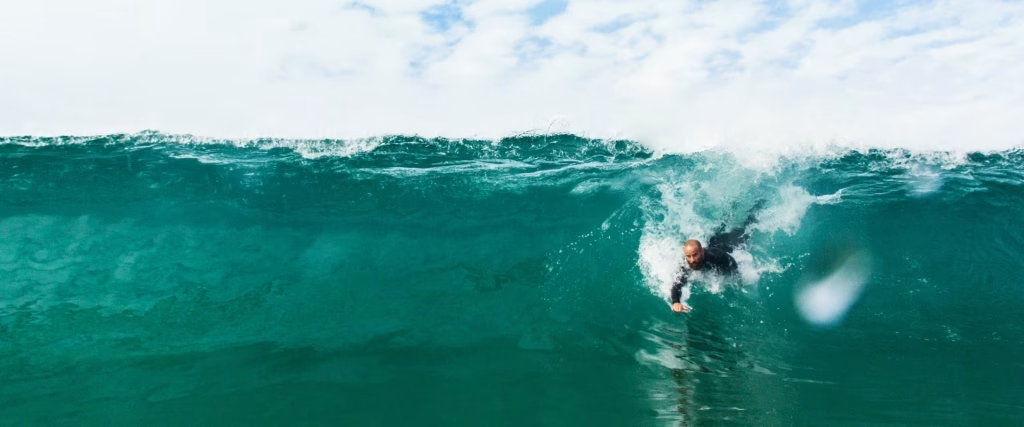
How to Bodysurf for Beginners
There’s a moment – and if you’ve felt it even once, you’ll know exactly what I mean -where the wave takes you. No board, no fins, just your body and a wall of moving water, and suddenly you’re flying. That’s bodysurfing. And honestly? It’s the purest thing you can do in the ocean.
I’ve been doing this since I was a kid at Nobby’s Beach, and I still get that same rush every single time. The good news is that learning how to bodysurf doesn’t take years. The basics are simple. You just need to know what you’re doing before you paddle out.
This guide covers everything a beginner needs – from picking the right wave to body position, timing, and how to actually stay on the thing once you’ve caught it. Let’s go.
What You Actually Need to Get Started
Before we talk technique, let’s sort out the gear question – because it’s the first thing most beginners ask.
The honest answer: not much.
You can bodysurf in nothing but boardshorts or a swimsuit. That’s it. No board, no special equipment. But a couple of things will make the learning curve a lot easier:
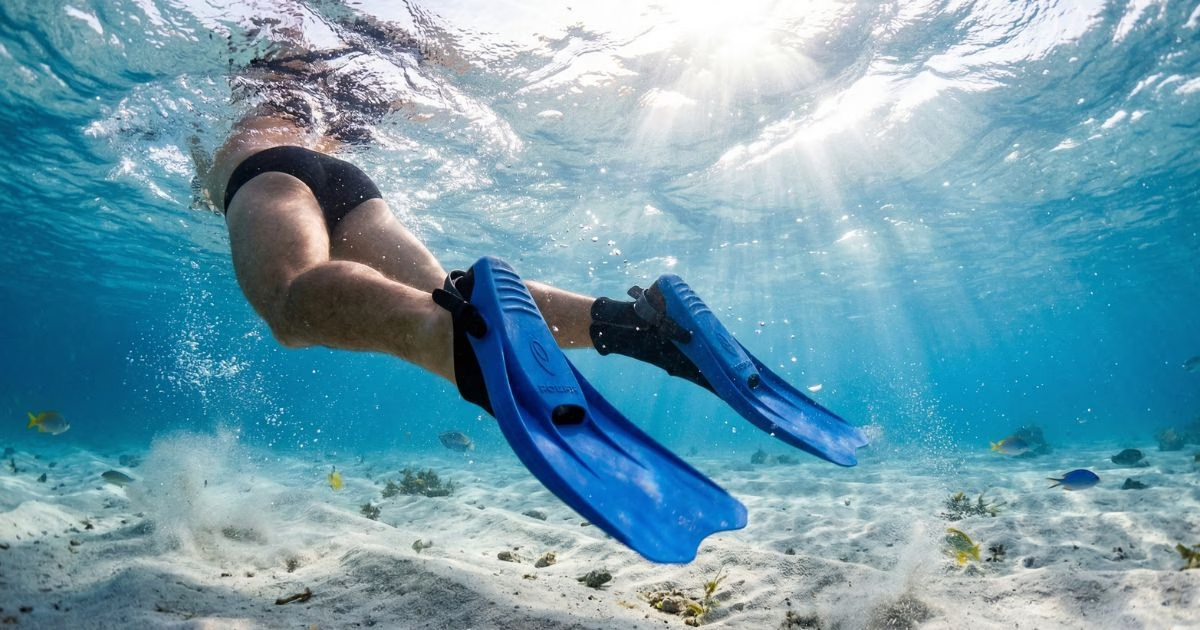
Swim fins are the single biggest upgrade for a beginner. They give you the propulsion to actually match the wave’s speed, which is the hardest part when you’re starting out. I bodysurf without fins a fair bit, but when I’m working on technique or riding bigger surf, fins go straight on. For beginners, I’d say they’re close to essential. Check out our guide to the best fins for bodysurfing if you want to know what’s worth buying.
A handplane is a small piece of kit – roughly the size of your hand – that gives you lift and helps you trim across a wave face. It’s not necessary when you’re just learning, but once you’ve got the basics down, it’s a lot of fun. We’ve covered the best handplanes for bodysurfing if you’re curious.
For now, if you have fins, great. If not, start without them and see how you go in small surf.
How to Bodysurf: The Core Technique
1. Choose the Right Waves
This is where most beginners go wrong. They either pick waves that are too big or too small, or that break the wrong way.
For learning, you want:
- Small, consistent, and crumbly. Knee-to-waist high, with a clean, gentle slope and a slow break. A beach with a sand bottom and consistent shore break is ideal.
- Avoid dumpers. A dumping wave pitches forward and slams hard – they’re not fun to bodysurf at any level, but they’re particularly punishing when you’re still figuring out your positioning.
Watch the break before you get in. Spend a few minutes on the sand. Look at where the waves are peaking, which direction they’re running, and where the water is pulling back after each wave. A rip or channel can either work for or against you – position yourself away from strong lateral pulls.
2. Get Your Positioning Right
Once you’re in the water, stand roughly waist-to-chest deep – close enough to the break that you can turn and sprint for a wave, but not so deep that you’re getting cleaned up by sets you weren’t ready for. Face the ocean. Keep your eyes on the horizon. Waves look very different from inside the water than from the beach – you’ll need to read the lumps forming on the outside and make quick decisions.
3. How to Catch a Wave Bodysurfing
This is the part everyone wants to nail, and it comes down to two things: timing and speed.
Here’s the sequence:
- Pick your wave early. As a wave approaches, commit before it reaches you. If you wait until it’s on top of you, it’s already too late.
- Turn and swim hard. As soon as you’ve picked your wave, turn toward shore and swim as fast as you can. You’re trying to match the wave’s speed. This is where fins make a huge difference.
- Feel the lift. If your timing is right, you’ll feel the wave pick up your hips and feet. When you feel that lift, stop kicking, straighten your body, and extend one arm out in front of you like Superman – this is your leading arm, and it controls your direction.
- Hold your line. Keep your body rigid. Bend slightly at the hips to angle down the wave face if it’s steep. A flat body rides high; angling slightly head-down gives you more speed and distance.
That’s the catch. It sounds simple because it is, but it takes reps to feel it instinctively. Don’t get frustrated if your first ten waves don’t work. The timing clicks differently for everyone.
4. Body Position on the Wave
Once you’re riding, position determines whether you get a two-second ride or a long, carving run to the sand.
- Extended arm (leading arm): Your outstretched arm acts like a rudder. Angle it left to go left, right to go right. Keep it low and cutting into the water slightly.
- Head up, eyes forward: Don’t bury your face in the water when you’re riding. Keep your chin up and look where you’re going.
- Body angle: A flat body planes across the surface. On steeper faces, tuck your chin and angle your lead shoulder down slightly to get more drive.
- Legs: Keep them together and relatively straight. No frantic kicking once you’re on the wave – the wave is doing the work.
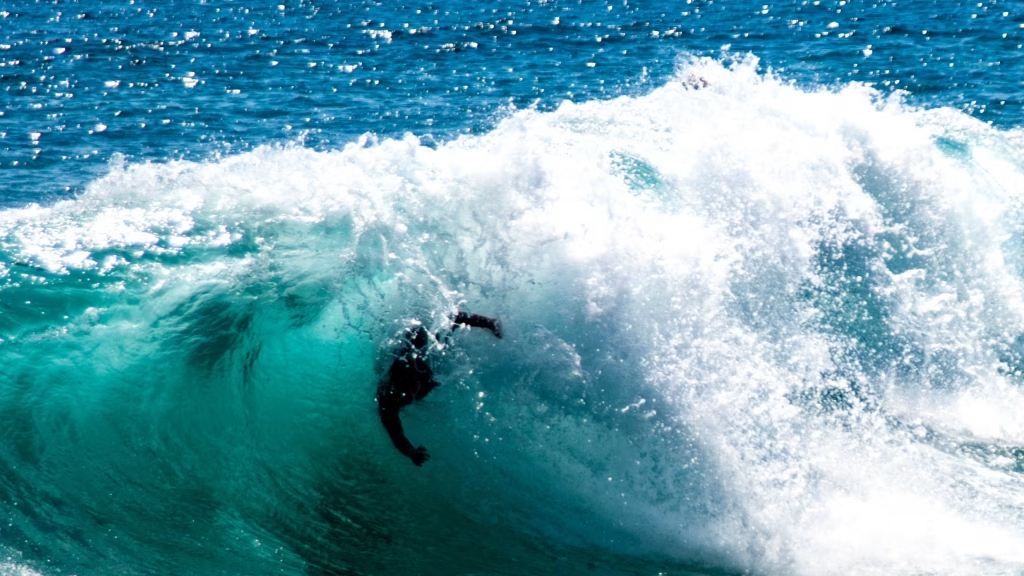
5. How to Bodysurf Without Fins
You can bodysurf without fins, but you need to adjust your approach. Without fins, your propulsion comes entirely from your arm stroke and your catch window is narrower.
- Start closer to shore, in slightly shallower water, so you have less distance to cover when you sprint for a wave.
- Use a dolphin dive or dolphin kick to generate extra speed as the wave approaches.
- Be more selective. Skip waves that look like they’ll need a long, hard sprint. Wait for the wave that’s coming to you.
Plenty of experienced bodysurfers ride purely without fins – it’s a legitimate style, and there’s something satisfying about it. But for beginners, fins reduce frustration considerably. Try both and see what you prefer.
6. Exiting the Wave
Knowing how to exit cleanly is a skill beginners rarely think about, and it saves you from getting ragdolled. As the wave shallows and loses steam:
- Angle out the back by turning your body sideways and letting the wave pass you. Works on smaller, rolling waves.
- Tuck and roll as the wave closes out – bring your knees to your chest and protect your head through the white water.
- Plant your feet on the sand if you’re close to shore, absorb the push, and stand up before the next wave hits you in the back.
One thing worth drilling early: always know where the bottom is. Never dive headfirst toward shore in shallow water. It’s the most common way bodysurfers get hurt.
Common Beginner Mistakes
- Waiting too long to commit. You see the wave, you hesitate, the wave passes. Commit early and swim hard.
- Looking at the wave instead of swimming. It’s tempting to watch it approach. Turn, look toward shore, and swim.
- Staying flat the whole time. Riding flat keeps you stable but limits your ride length. A bit of angle gets you trimming down the face.
- Ignoring ocean safety. Know where the rips are before you get in. Surf Life Saving Australia’s BeachSafe lets you check conditions at your local beach. Don’t go out beyond your swimming ability. If you get caught inside by a set, dive under the wave rather than fighting it.
Build the Basics, Then Add Gear
Once you can consistently catch waves and hold a line, that’s when it’s worth thinking about fins and a handplane. They won’t fix technique issues, but they’ll amplify what you’ve already got.
Fins open up faster, steeper waves that you simply couldn’t catch with arms alone. A handplane gives you lift and lets you start trimming properly across a wave face rather than just straight to the beach.
Both are covered in detail on this site:
- Best fins for bodysurfing – what actually works and why
- Best handplanes for bodysurfing – from timber to foam, entry level to legit performance
Just Get in the Water
The best bodysurfers I know aren’t the ones who read the most about it. They’re the ones who got in the water on small days, got tumbled, figured it out, and kept coming back.
Start small. Focus on the catch – timing and speed are everything. Keep your body long and controlled once you’re on the wave. And if you’re struggling for propulsion, grab a pair of fins and watch what changes.
The rest you’ll figure out in the water. That’s kind of the whole point.
Frequently Asked Questions
How do you body surf?
Position yourself waist-to-chest deep, pick a wave early, turn and swim hard toward shore to match its speed, then let it pick you up. Extend one arm forward to steer, keeping your body flat and straight. Timing is everything – commit before the wave reaches you, not after.
How do you catch a wave bodysurfing?
Turn toward shore as the wave approaches and swim as fast as you can. The goal is to match the wave’s speed just as it starts to break – that’s when you’ll feel it lift your hips and feet. If it keeps passing under you, you’re turning too late. Swim fins make this significantly easier while you’re learning.
Can you bodysurf without fins?
Yes. It’s harder to generate speed without fins, so you’ll need to position yourself closer to shore, be more selective about which waves you choose, and commit fully to your arm stroke. Plenty of experienced bodysurfers ride finless by choice — but for beginners, fins are worth it.
How do you body surf a wave properly?
Once the wave picks you up, extend your leading arm forward, keep your legs together, and angle your body slightly downward on steeper faces. That leading arm is your rudder – dip it left or right to control your direction. Stay relaxed and let the wave do the work.
Is bodysurfing hard to learn?
Not if you’re a confident swimmer and you start on small, slow-breaking waves. Most beginners catch their first wave within a session or two. The technique is simple – timing and positioning are what take practice.
Do you need a handplane to bodysurf?
No. A handplane adds lift and helps you trim across the face of a wave, but it’s not something to worry about as a beginner. Get the basics sorted first. Once you’re consistently catching waves, a handplane is a fun upgrade – we’ve reviewed the best options here if you’re curious.