
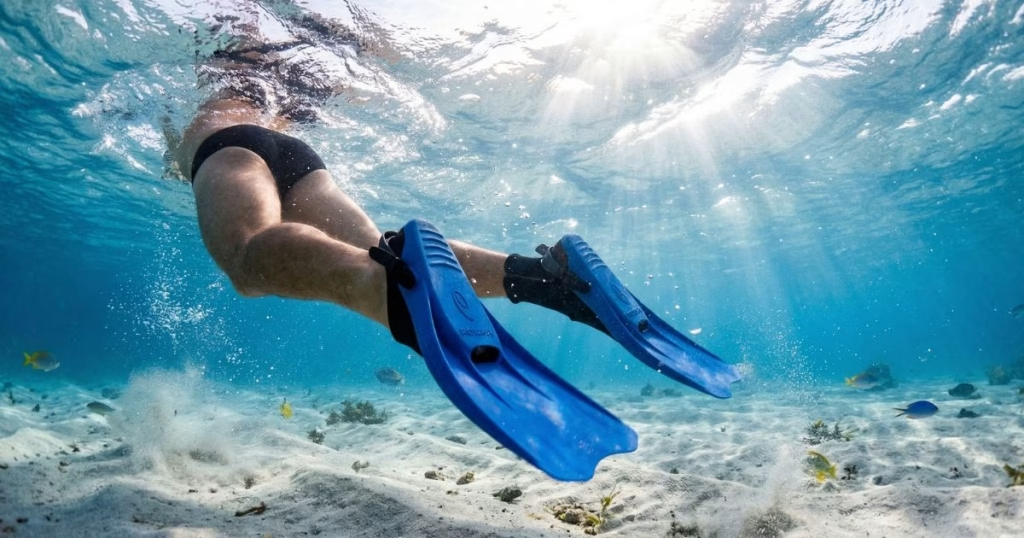
If you’ve ever tried bodysurfing without fins, you already know the problem. You paddle hard, the wave picks you up, and then it just… moves through you. Fins change everything. They give you the propulsion to match a wave’s speed and the control to hold your line once you’re on it. Choosing the best fins for bodysurfing makes a bigger difference than most people expect.
Full disclosure – most of the time I’m in the water without them. Purist habit. No fins, no handplane, just me and whatever the ocean’s offering. But I’ve used all of the fins on this list, I’ve surfed alongside people who swear by them, and I know what separates a good pair from an expensive mistake.
If you’re going to buy fins – and for most bodysurfers, it’s worth it – here’s what’s actually worth your money.
Not all bodysurfing fins are built the same way. Bodyboard fins, freediving fins, snorkel fins – they’re all different tools for different jobs. What works for bodysurfing is specific, and if you buy the wrong pair, you’ll know about it quickly. If you’re curious about the one piece of kit that comes closest to a board for bodysurfing, check out our guide to the best handplanes for bodysurfing.
This guide covers the best fins for bodysurfing right now – what they’re good for, who they suit, and which pair is worth your money.
Quick Comparison: Best Bodysurfing Fins
| Fin | Best For | Blade | Our Pick |
|---|---|---|---|
| DaFins Pro Classic | All-round performance | Medium stiff | ⭐ Top Pick |
| Churchill Makapuu | Beginners & casual surfers | Soft | Best Value |
| Viper V5 | Power & speed | Stiff | Best for Larger Waves |
| Mike Stewart Delta Viper | Advanced & competitive | Medium | Best for Pros |
The Best Fins for Bodysurfing Reviewed
1. DaFins Pro Classic — Best All-Round Bodysurfing Fin
If there’s one pair of bodysurfing swim fins that shows up at every serious beach break around the world, it’s DaFins. They’ve been the go-to for experienced bodysurfers for decades, and for good reason — they just work.
The blade is medium stiffness, which is the sweet spot for most conditions. Soft enough to paddle comfortably for extended sessions, stiff enough to generate real power when you need to catch a fast-moving wave. The foot pocket is snug and secure — no heel slippage, no rubbing — and they hold up to regular use without falling apart.
DaFins run slightly large, so size down half a size from your regular shoe size. Worth knowing before you order.
Best for: Intermediate to experienced bodysurfers who want one pair that handles everything.
2. Churchill Makapuu — Best Value Fins for Bodysurfing
The Churchill Makapuu has been around since the 1970s and remains one of the most popular entry-level bodysurfing fins on the market. There’s a reason they’re still here — they’re affordable, comfortable, and get the job done.
The blade is on the softer side, which makes it forgiving for beginners still learning technique. They won’t generate the same drive as DaFins or Vipers, but they’re not trying to. For someone just getting into bodysurfing, or for casual beach days in smaller surf, the Makapuu is a smart buy.
Fit is relaxed compared to DaFins — good if you have wider feet or plan to wear them over wetsuit booties in colder water.
Best for: beginners, casual bodysurfers, or anyone looking for a budget-friendly entry point.
3. Viper V5 — Best for Power and Larger Surf
The Viper V5 is built for surfers who want to drive hard into a wave and hold their position when things get punchy. The blade is noticeably stiffer than either DaFins or the Makapuu — you’ll feel it in your legs on longer sessions, but the payoff is raw power.
In bigger, faster surf where you need to sprint to match wave speed, the Viper V5 earns its place. They’re also a popular choice for bodysurfers who swim regularly and already have strong legs — the stiffness isn’t a problem if you’ve got the fitness to back it up.
The foot pocket is firm and supportive. Sizing is fairly true to size, though some people prefer to go up half a size for comfort.
Best for: Experienced bodysurfers in powerful surf, strong swimmers, and bigger wave days.
👉 Buy from viperfins.com
4. DORSAL Bodysurf Fins — Best Budget Alternative
DORSAL have been making bodyboard and bodysurfing fins for years and they punch well above their price point. They’re not as well known as DaFins or Churchill, but they’ve built a solid reputation among serious wave riders who want a reliable fin without paying premium prices.
The blade is medium-stiff with a natural gum rubber construction — similar to the Churchill Makapuu but with a slightly more aggressive blade shape that generates good drive in punchy surf. The foot pocket is comfortable and secure, and they float in salt water, which is handy if a fin comes off in the impact zone.
631 reviews with an average rating of 4.3 stars on Amazon tell you these are tried and tested. For the price, they’re hard to fault.
Best for: Bodysurfers who want a capable, reliable fin without the premium price tag.
What to Look for in Bodysurfing Fins
Blade Stiffness
This is the biggest variable. A stiffer blade generates more power per kick but tires your legs faster. A softer blade is more comfortable for long sessions in smaller surf. Most bodysurfers land somewhere in the medium range — DaFins being the classic example.
Foot Pocket Fit
A poorly fitting foot pocket will ruin a session. Too loose and you’ll lose the fin. Too tight and you’ll be dealing with cramps and blisters. Most brands run slightly different, so check the sizing guide before you buy and read the reviews — fit is the most common complaint across all bodysurfing swim fins.
Blade Length
Shorter blades are more manoeuvrable and easier to use in small, punchy surf. Longer blades generate more drive — better for open beach breaks where you’re swimming for distance to catch waves early. Most bodysurfing fins sit in the mid-length range.
Open vs Closed Heel
Closed heel fins (like DaFins) stay on more securely and are better for serious surf. Open heel designs tend to be more comfortable and easier to get on and off — good for casual use or warmer water where you’re in and out a lot.
Frequently Asked Questions
Do you need fins to bodysurf?
What fins do pro bodysurfers use?
Can I use bodyboard fins for bodysurfing?
The Verdict
For most bodysurfers, DaFins Pro Classic is the answer. They hit the right balance of power, comfort, and durability across a wide range of conditions. If you’re just starting out, Churchill Makapuu gets you in the water at a lower cost. If you’re chasing bigger waves, look at the Viper V5. And if you’re already hooked and want the best, the Mike Stewart Delta Viper is the serious surfer’s choice.
Buy a pair that fits. Get in the water. The rest works itself out.
Browse all our bodysurfing gear reviews at the Bodysurf Guide Gear hub.